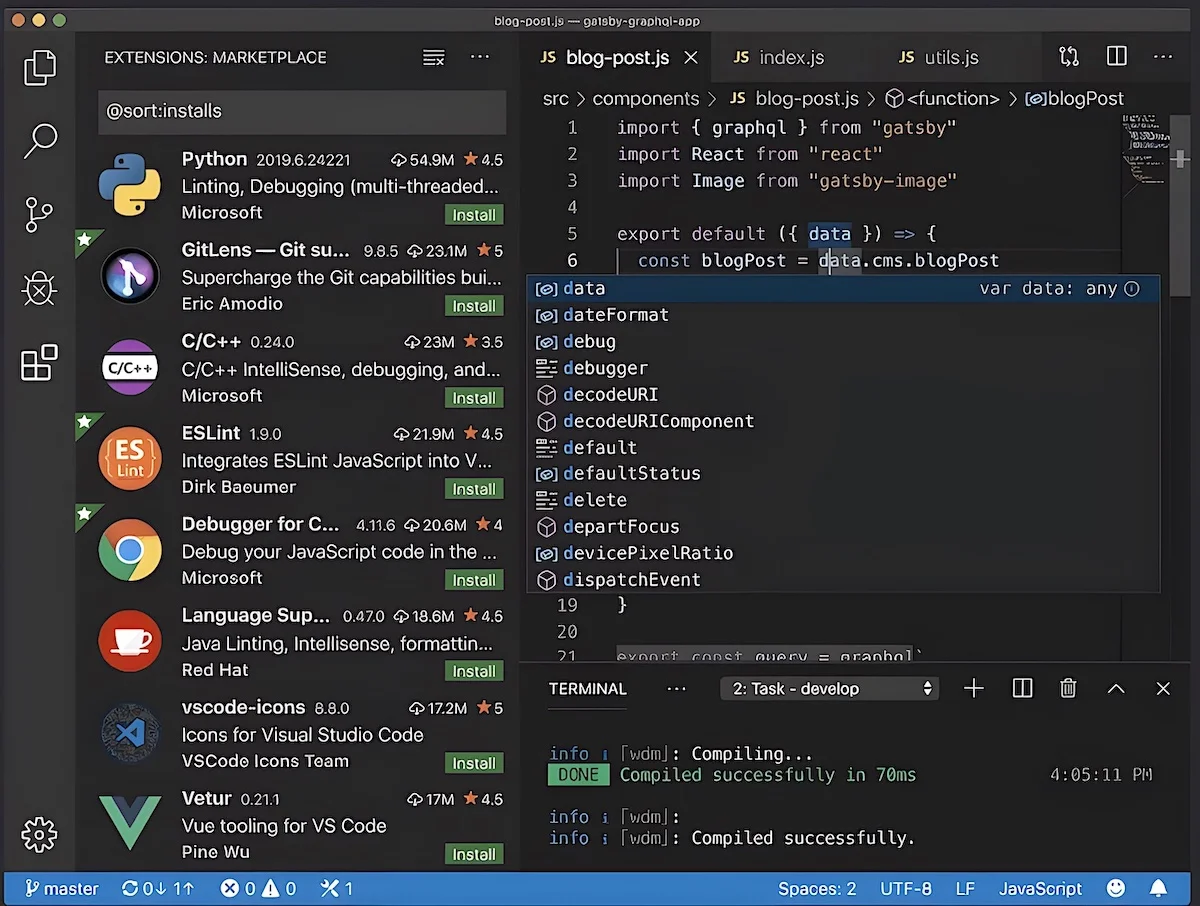
Top 5 Debugging Techniques Every Developer Should Know
Debugging is an essential skill for every developer, and mastering it can significantly enhance your productivity. Here are the top 5 debugging techniques that every developer should know:
- Print Statements: A classic approach, using print statements to output variable values and program states can quickly reveal where things are going wrong.
- Debuggers: Utilizing built-in debuggers in IDEs allows you to set breakpoints and step through code, providing a clear view of the execution flow.
- Automated Testing: Employing unit tests to verify code functionality can help catch bugs early in the development process.
- Log Analysis: Reviewing application logs helps in identifying issues that occur during runtime, making it easier to pinpoint the source of bugs.
- Rubber Duck Debugging: Explaining your code or problem to an inanimate object can often lead you to the solution by forcing you to articulate your thought process.
The Art of Troubleshooting: How to Approach Coding Bugs
Troubleshooting coding bugs is an essential skill for any developer, as it not only helps to ensure that your code runs smoothly but also enhances your problem-solving abilities. When you encounter a bug, the first step is to identify the issue. This can be done by replicating the problem consistently and reviewing any error messages that have popped up. Employing tools like debuggers or console logs can also provide insights into what went wrong. Once the bug is identified, the next step is to analyze the code surrounding it to pinpoint potential causes. Documenting your findings can help track recurring bugs and streamline future troubleshooting efforts.
One effective approach to troubleshooting is to break down the problem using the divide and conquer method. This involves isolating different parts of your code to determine where exactly the bug lies. Consider using a structured approach such as:
- Reviewing the code logic
- Running unit tests
- Checking for syntax errors
- Comparing changes with previous versions
By systematically evaluating each section of your code, you can quickly identify and resolve bugs. Remember, patience and a methodical approach are key; often, the solution lies in careful observation and analysis rather than attempting to fix everything at once.
Common Coding Mistakes: How to Identify and Fix Them
Common coding mistakes can often lead to frustrating debugging sessions and inefficient code. One of the most prevalent issues developers face is syntax errors, which occur when the code does not conform to the expected format of the programming language. These can be easily identified by the compiler's error messages, so it's crucial to pay attention to them. Another frequent mistake is the improper use of data types, like trying to perform operations on incompatible types. To minimize such errors, implement strict type checking and stay consistent with your variable definitions.
Another aspect of identifying and fixing common coding mistakes involves understanding the importance of code reviews and testing. Enlist a fellow developer to review your code, as a second pair of eyes can catch errors you might overlook. Incorporating unit tests within your development process is also beneficial, as it allows you to validate that each component of your application works as intended. By proactively addressing these issues, you can enhance your code quality and save valuable time in the long run.