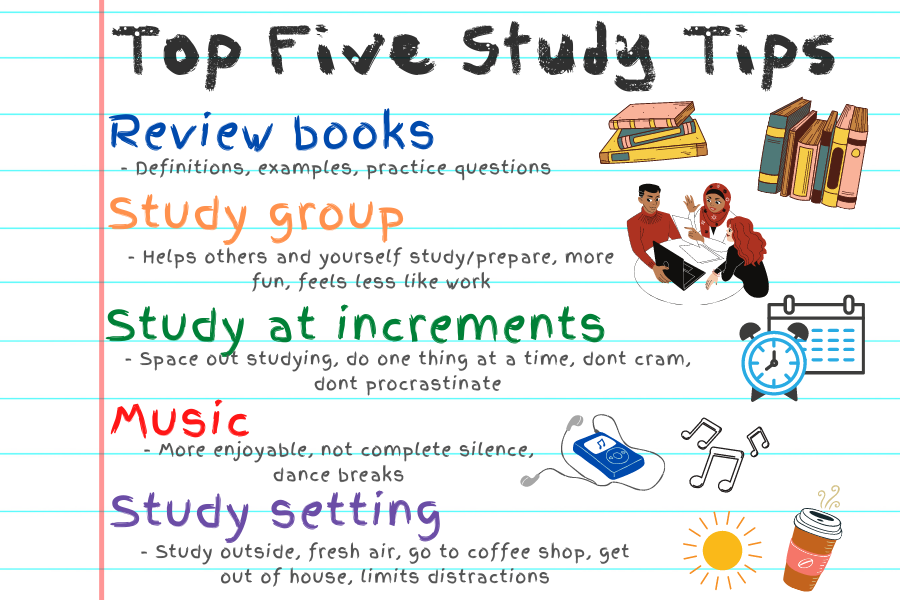
Top 5 Study Hacks for Lazy Learners
Studying can be a daunting task, especially for lazy learners who often find themselves struggling to stay motivated. Fortunately, there are some effective study hacks that can make the process easier and more enjoyable. Here are the top 5 study hacks designed specifically for those who prefer a more laid-back approach:
- Break It Down: Instead of tackling an entire subject at once, divide your study material into smaller, manageable sections. This way, you can focus on one concept at a time, reducing the feeling of overwhelm.
- Use Visual Aids: Create mind maps, charts, or flashcards to visualize information. This not only makes studying more engaging for lazy learners, but also helps in retaining information better.
- Set a Timer: Implement the Pomodoro Technique by studying for 25 minutes and then taking a 5-minute break. This structured approach keeps your mind fresh and can prevent sluggishness.
- Study in Short Bursts: Aim for shorter, more frequent study sessions rather than long, drawn-out ones. This allows you to absorb information without feeling fatigued.
- Reward Yourself: Set small rewards for completing study goals. Whether it’s a snack or an episode of your favorite show, giving yourself something to look forward to can boost motivation.
How to Maximize Your Study Breaks for Better Retention
Taking study breaks is essential for effective learning, as it allows your brain to consolidate information and improve retention. To maximize your study breaks, start by incorporating techniques such as the Pomodoro Technique, where you study for 25 minutes followed by a 5-minute break. During this time, step away from your study materials and engage in an activity that rejuvenates you. This could involve taking a brief walk, practicing deep breathing exercises, or even doing a quick stretch. The idea is to clear your mind and return refreshed, ready to absorb new information.
Another effective strategy is to utilize your breaks for active engagement rather than passive relaxation. Instead of mindlessly scrolling through your phone, consider maximizing your study breaks by reviewing flashcards or summarizing what you've just learned. This keeps your mind active and reinforces your memory. Additionally, try to balance long study sessions with extended breaks, such as taking a longer break after completing a chapter. This not only enhances retention but also keeps your motivation levels high, ensuring a more productive study experience.
The Ultimate Guide to Efficient Study Techniques for Students
Studying efficiently is crucial for students wanting to maximize their learning potential. One of the key study techniques involves actively engaging with the material, rather than passively reading it. This can include methods such as summarizing what you’ve learned, teaching the material to someone else, or creating mind maps to visualize the information. Additionally, employing the Pomodoro Technique, where you study intensively for 25 minutes followed by a short break, can dramatically improve focus and retention. By integrating these practices into your routine, you'll find that you can study smarter, not harder.
Another effective study technique is to utilize spaced repetition. This method involves reviewing material at gradually increasing intervals, which helps combat the forgetting curve. Combining this with active recall—testing yourself on the material instead of just passively reviewing it—can significantly boost your memory retention. Students should also consider forming study groups, where discussing and quizzing one another fosters a deeper understanding of the subject matter. Remember, the key to efficient studying lies in finding the techniques that work best for you and making them a consistent part of your learning process.